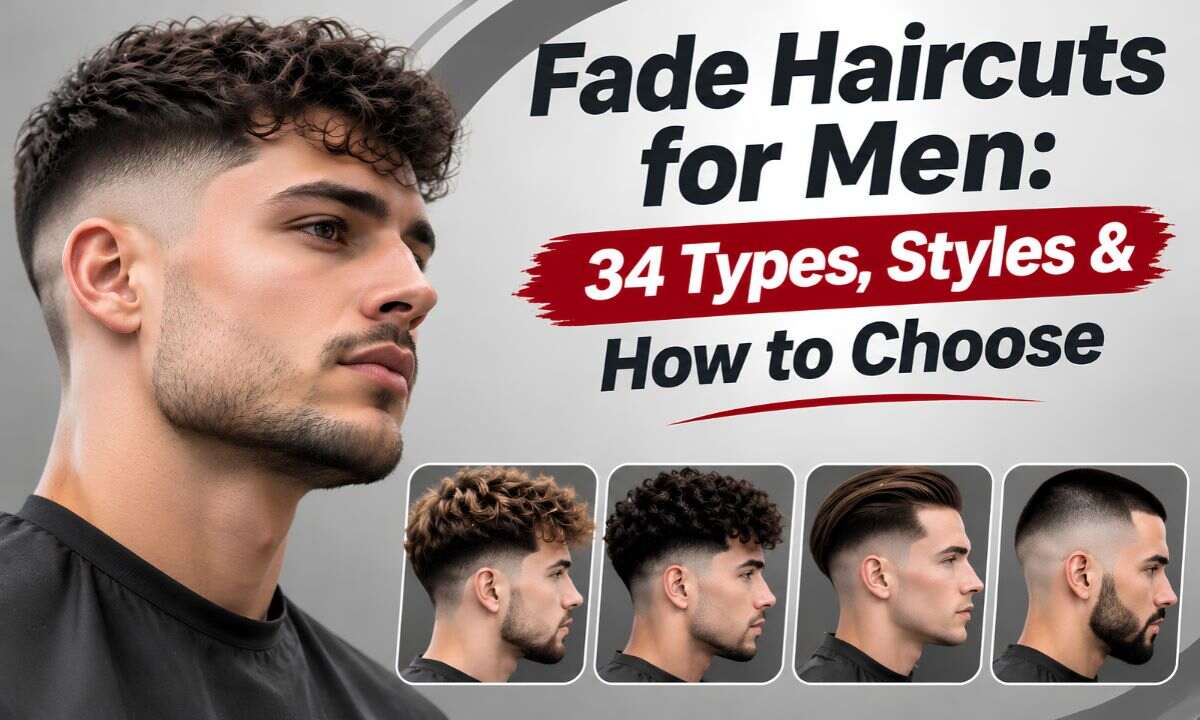

Ever sat in the barber chair and frozen when he asked, “So, what kind of fade do you want?” You’re not alone.
Here’s the short answer to the title. Pick a low fade for a soft, safe look, a mid fade for balanced contrast, and a high fade for bold separation between top and sides. Choose a drop fade when you want the blend to dip behind the ear, a burst fade when you want it to curve around the ear and keep length at the back, and a taper when you want clean edges without losing side weight.
This guide covers different types of fade haircuts, 34 popular styles, hair texture, face shape, maintenance and the exact words to say in the chair.
How Fade Haircut Names Actually Work
Fade names feel like a secret code because one haircut mixes several choices at once. “Mid skin fade with a textured crop” sounds like one thing, but it’s really four decisions packed into one sentence. Your barber hears height, finish, path and top style, all in a single breath.
Once you split the name into pieces, the code gets easy. Most men’s fade haircut styles come from the same few building blocks, just mixed in different ways. Learn those blocks and you can describe almost any cut without needing a photo.
There’s one more thing to know before we start. Barbers don’t all use the same words, and terms shift between shops, cities and countries. So treat every name here as a working definition, then back it up with a clear description and a reference photo.
1. Fade Height
Fade height is the spot on the side of your head where short hair turns into longer hair. A low fade haircut sits near the ears and neckline. A mid fade haircut sits around the middle of the side profile, and a high fade haircut climbs up toward the temples.
Think of it like a dimmer switch. Lower means gentler, and higher means more drama. If you’re unsure, start low, because you can always go higher at your next visit but you can’t put your hair back.
2. Shortest Length
This is how short the very bottom of the blend gets. It can leave a light shadow of hair, finish near clipper zero, or go all the way to bare skin. The finish changes the mood of the whole cut, even when the height stays the same.
That’s why a mid skin fade tells your barber two things at once. It says where the blend sits and how close it goes. Using both details in your request is one of the easiest ways to avoid a bad surprise.
3. Fade Path
The path is the route the blend takes around your head. A drop fade haircut slides lower behind the ear, while a burst fade haircut curves in a half circle around it. A regular fade simply keeps about the same height all the way around.
Paths matter most when someone looks at you from behind. Two fades can look identical from the front and totally different from the back. That’s why a rear photo is worth bringing along.
4. Haircut on Top
The fade only covers the sides and back. Whatever sits on top changes the whole look, from the shape of your profile to how much time you spend styling in the morning. A crop, a quiff, curls, braids and a mullet can all sit above the same fade.
So two guys can both ask for a mid fade and leave with very different haircuts. One gets a short, choppy crop, and the other gets a tall quiff. Always tell your barber what you want on top, not just on the sides.
Fade Haircuts at a Glance
Need a quick cheat sheet before you dive in? This table puts the main men’s haircut fade levels side by side, so you can compare contrast, side weight and common pairings in a few seconds.
| Fade | Where it sits | Contrast | Side weight left | Pairs well with |
|---|---|---|---|---|
| Low fade | Near the ears | Soft to medium | Plenty | Side part, crop, curls |
| Mid fade | Middle of the sides | Medium | Balanced | Quiff, crew cut, textured crop |
| High fade | Higher on the sides | Strong | Less | Buzz cut, pompadour |
| Skin fade | Any height, ends at bare skin | Sharp at the base | Depends on height | Buzz cut, short crop |
| Shadow fade | Any height, keeps stubble | Softer | More | Waves, curls, classic cuts |
| Drop fade | Dips behind the ear | Medium to strong | Depends on shape | Curls, afro, long top |
| Burst fade | Curves around the ear | Medium to bold | More at the back | Mullet, mohawk |
| Temple fade | Temples and sideburns | Light | Most | Waves, beard blends |
| Taper | Edges and neckline | Subtle | Most | Side part, classic cuts |
| Zero fade | Ends near clipper zero | Crisp | Depends on height | Crew cut, short crop |
Use the table as a starting point, then read the details below. Which row sounds most like the haircut you picture in your head? Keep that one in mind as you read.
The 15 Core Types of Fade Haircuts
Every fade in this section answers one question. How much contrast do you want between your sides and your top? Some entries are about height, some are about finish, and some are about shape.
The later entries show how those basics turn into real haircuts you can ask for by name. Read them as a menu, not a test. You don’t need to memorize anything, only find the one that fits.
1. Low Fade
A low fade haircut for men keeps the blend close to the ears and neckline. Most of the side hair stays, so the cut looks clean without looking bare. It’s the easy yes for office jobs, weddings and anyone getting their first fade.
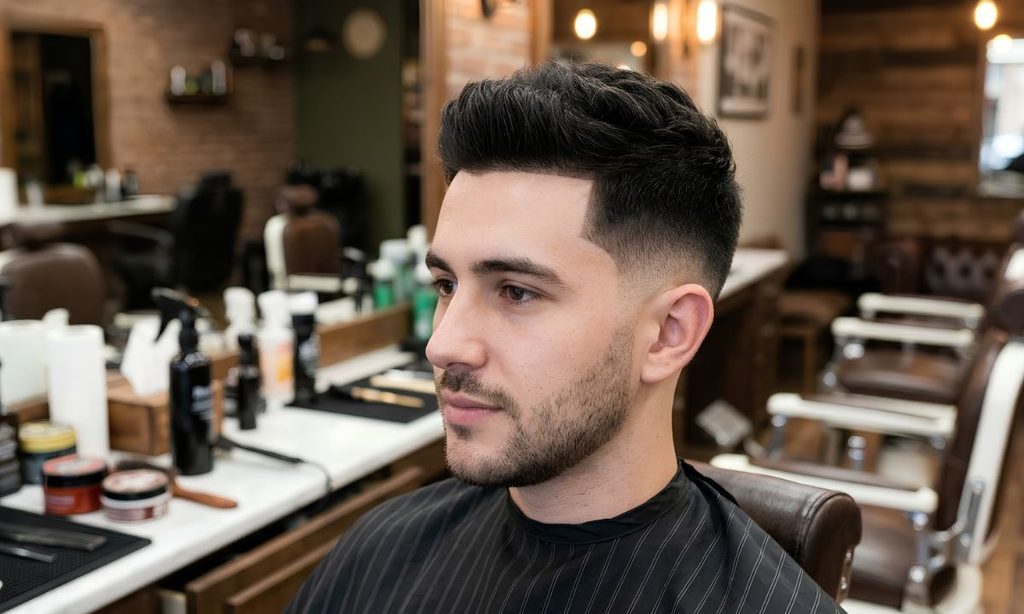
Tell your barber, “Keep it low and keep the weight above it.” That one sentence protects the sides and still gives you a sharp finish. Low fades also grow out gracefully, so you won’t panic when week four rolls around.
2. Mid Fade
A mid fade starts about halfway up the side of your head. You get clear separation between sides and top without going to extremes. It’s the sweet spot for guys who find low too tame and high too loud.
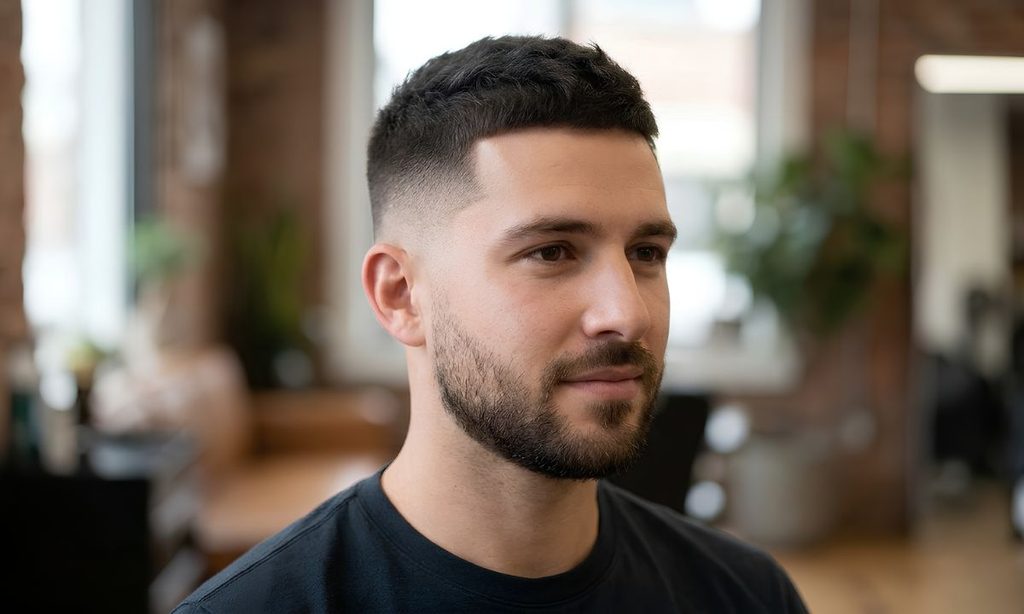
Picture a guy who wants a sharper look for his new job but still wants to keep some hair on the sides. Mid is his middle lane. It suits almost every top length, from a short crop to a swept back quiff.
3. High Fade
A high fade pushes the blend up toward the temples and removes most of the side bulk. Your top suddenly stands out like a picture in a frame. It looks great on buzz cuts, tall pompadours and bold textured styles.
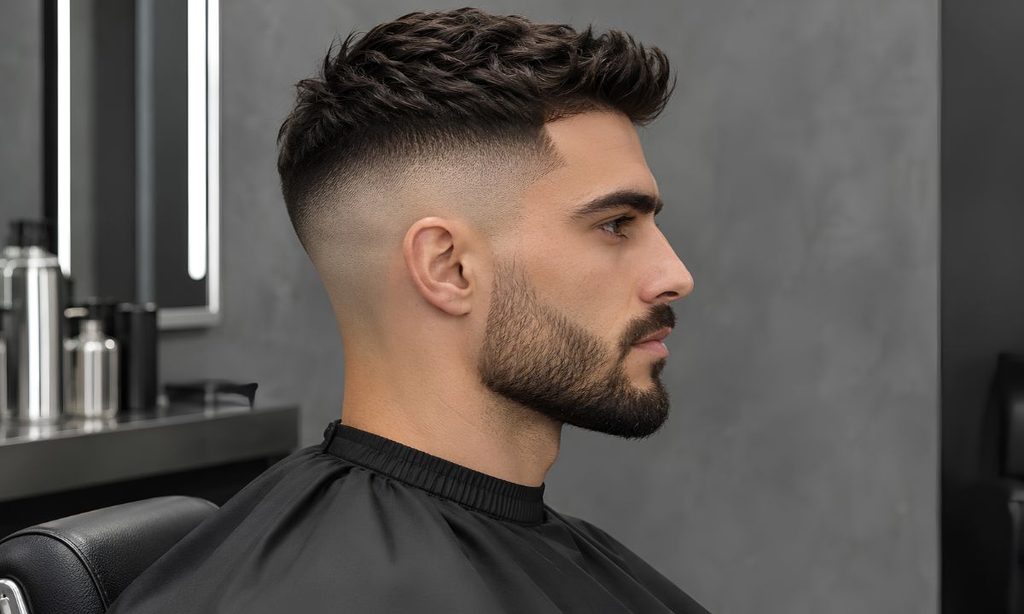
Ask the barber to show you where the fade will start before he cuts. High is hard to undo, and a small shift in placement changes the whole look. It also shows regrowth faster, so plan on frequent visits.
4. Skin Fade or Bald Fade
A skin fade primarily describes the shortest finish rather than one fixed height. The bottom of the blend is taken to bare skin, and that finish can be combined with a low, mid or high placement.
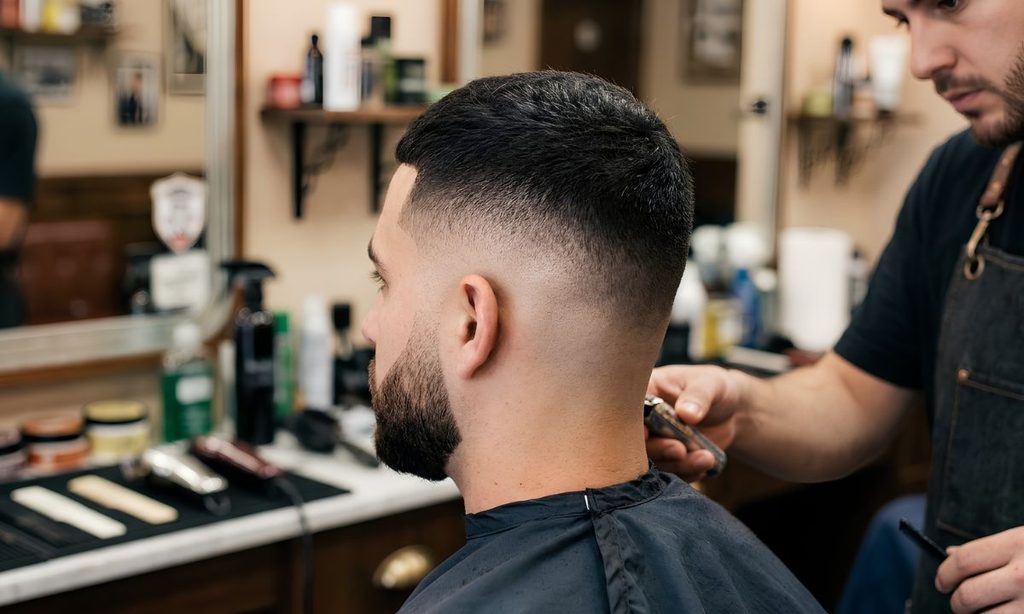
A low skin fade and high skin fade therefore both finish at skin but produce very different silhouettes because the transition occupies different areas of the head.
5. Shadow Fade
A shadow fade haircut stops before bare skin and leaves a light layer of short hair at the bottom. The result looks softer and a little more natural than a skin finish. It still reads as a fade, just with less scalp showing.
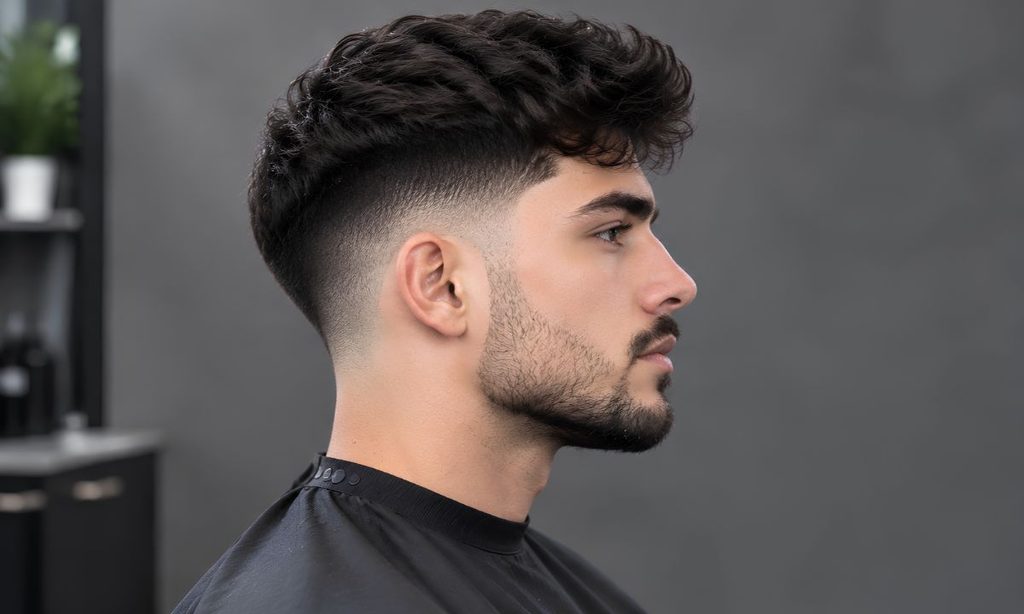
It’s a great pick if you like the fade look but don’t love the bare skin. Early regrowth also looks calmer, because the base already has some hair. Many first timers start here and move shorter later.
6. Drop Fade
A drop fade follows the curve of your skull and falls lower behind the ear. That downward dip gives the cut a smooth, rounded outline from the side and the back. It’s less boxy than a straight fade.
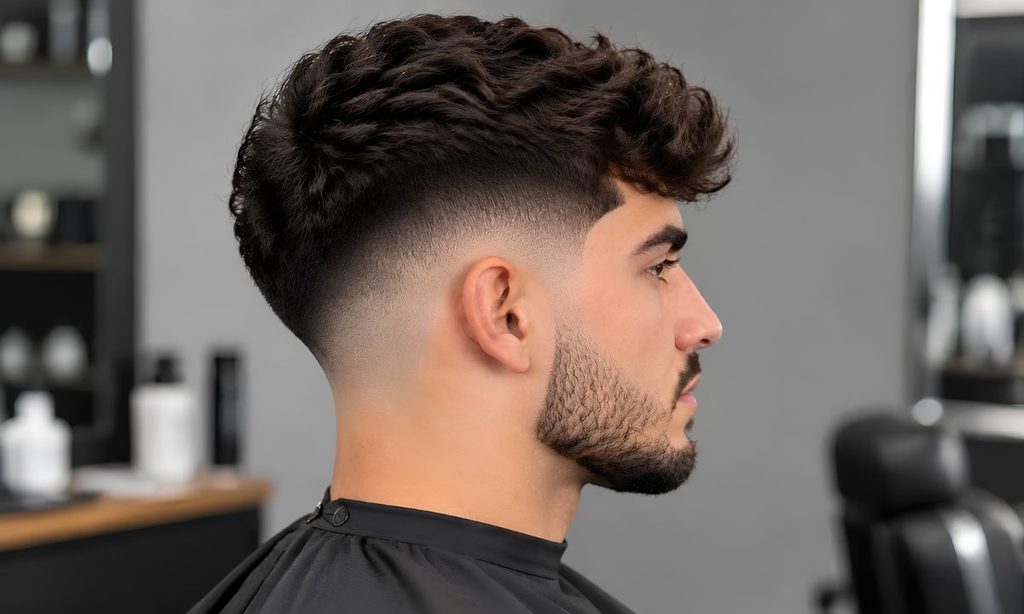
It works well with curls and longer tops because it hugs your natural head shape. Bring a photo of the back, since that’s where a drop fade shows its personality. Without it, the barber might give you a regular fade by mistake.
7. Burst Fade
A burst fade wraps around the ear in a half circle and leaves more length at the nape. Think of a small ripple spreading out from your ear. The curved shape is what makes it different from a standard fade that runs all the way around.
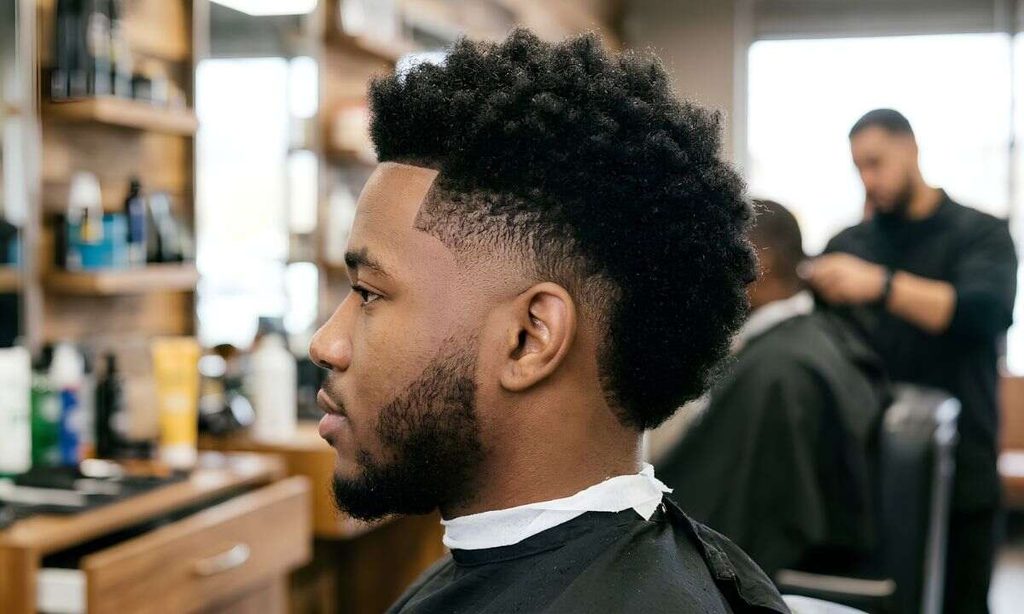
This is the go to base for the mullet and the faux hawk. Ask how wide the burst will be before the clippers start. A narrow burst looks neat, and a wide one looks bold.
8. Temple Fade
A temp fade haircut, also called a temple fade, only shortens the hair around the temples and sideburns. The rest of the sides stay full and untouched. It’s the lightest touch on this list.
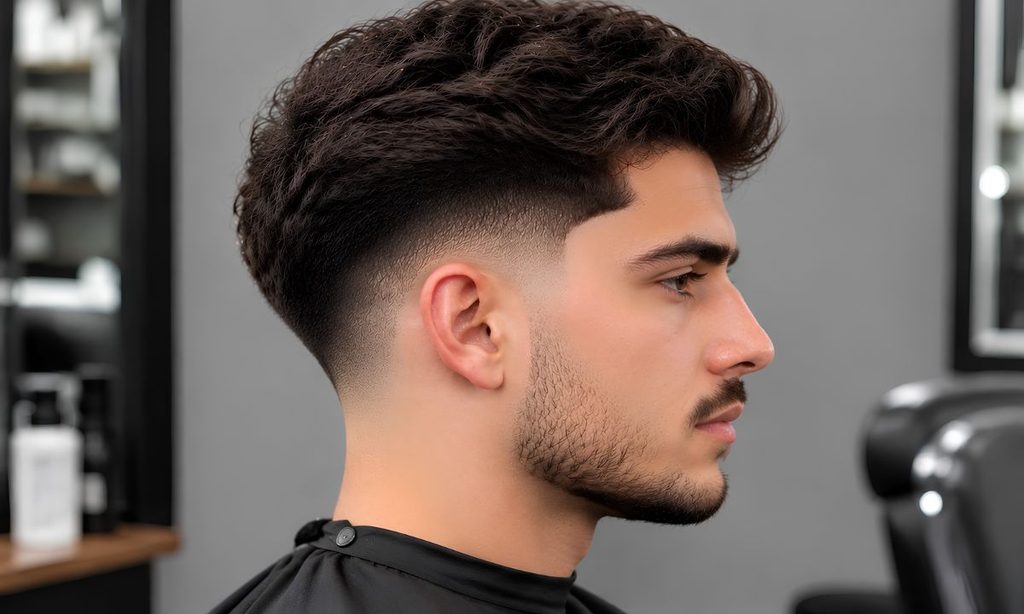
It’s a smart pick for waves, curls and beard blends. You get a crisp front edge without committing to a full fade. If you’re nervous about going short, this is a gentle way to try the look.
9. Taper
A taper fade haircut shortens hair gradually around the edges and neckline, then leaves the sides mostly alone. Barbers use the word in slightly different ways, so describe what you want rather than relying on the name. It’s the most conservative option here.
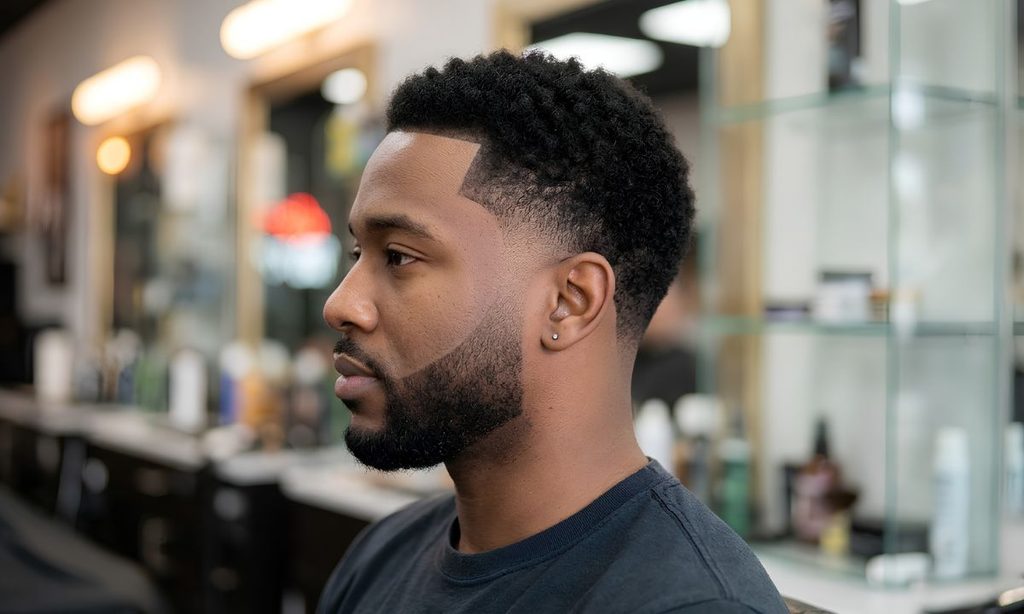
Say it plainly: “Keep my sides full and clean up the edges.” That one sentence saves a lot of guessing. Tapers work well for classic, professional looks and for anyone who hates frequent barber trips.
10. Zero Fade
A zero fade ends near clipper zero, which is the shortest setting with no guard attached. It looks crisp, but it isn’t always bare skin. Some barbers see zero and skin as the same thing, and others don’t.
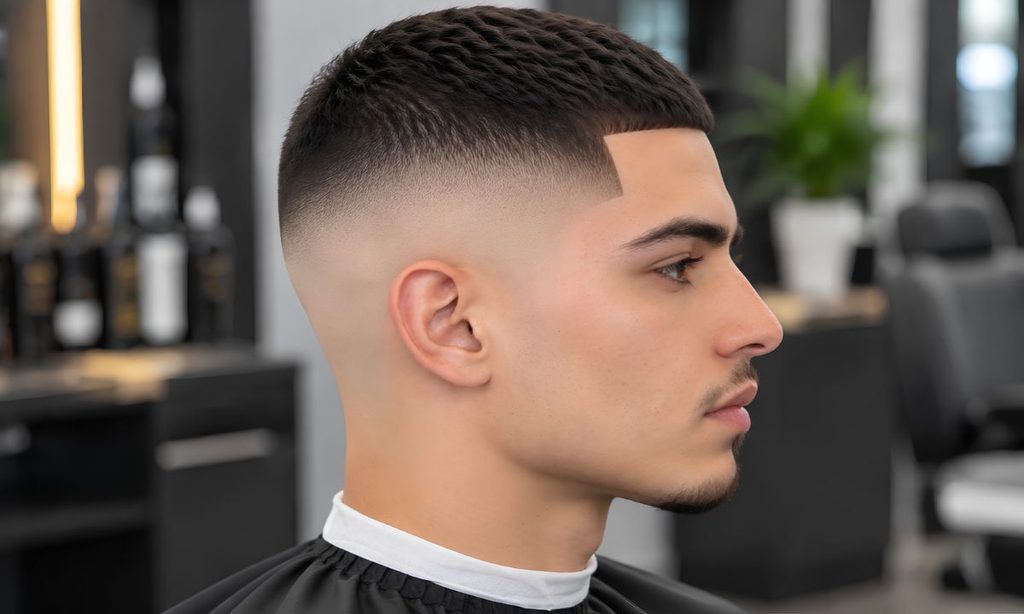
Ask your barber what he means so you both picture the same finish. That small question can save you from a cut that’s shorter than you wanted. Then pair it with the height you like, low, mid or high.
11. Textured Crop With Mid Fade
Short, choppy hair on top plus a mid fade makes a modern, low effort cut. Add a little clay or paste, and it holds its shape all day. It gives you definition without needing a tall or heavily styled top.
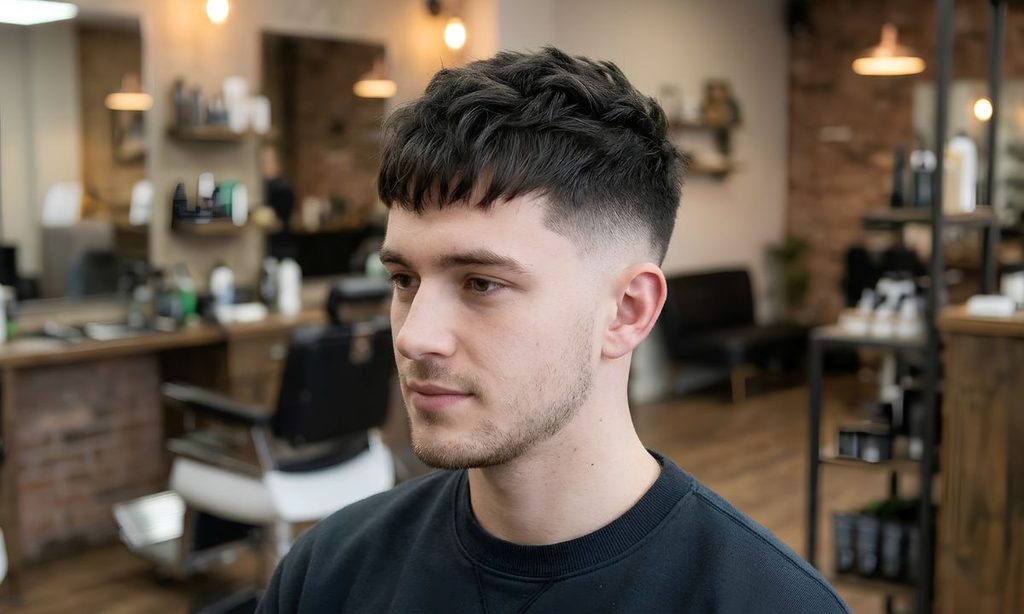
It suits straight and wavy hair best. You’ll spend about two minutes styling it in the morning. It’s also a good first step if you want to move away from a plain short back and sides.
12. French Crop With Low Fade
The French crop has a short fringe cut straight across the forehead. A low fade keeps the sides tidy without fighting the top. The two parts feel connected, which makes the whole cut look calm and intentional.
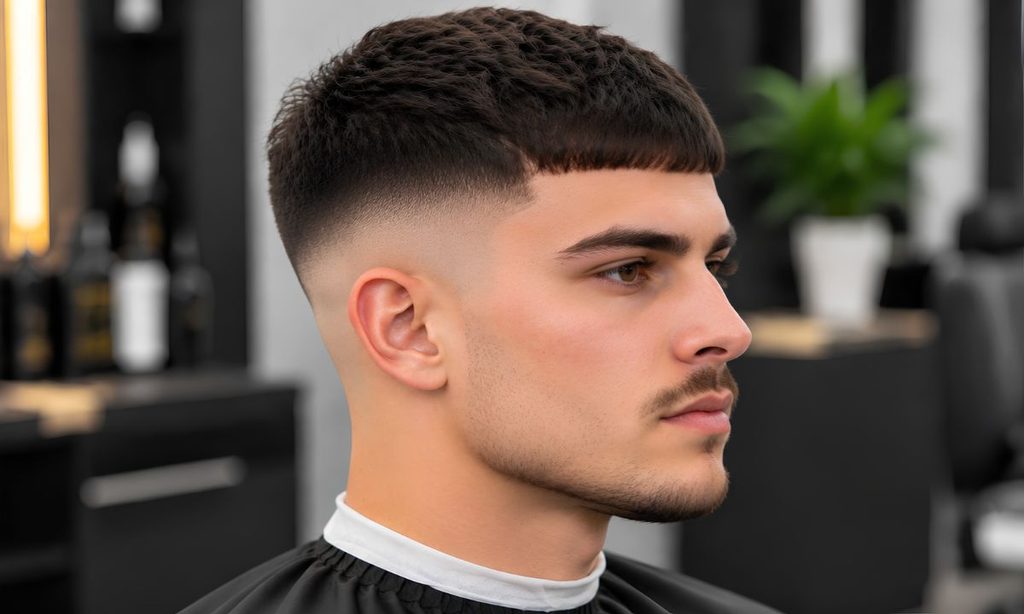
It’s a good option when you hate daily styling. Towel dry, comb the fringe forward and you’re done. It also hides a high forehead nicely.
13. Buzz Cut With Skin Fade
A buzz cut already runs short, so a skin fade haircut adds the polish. The bare bottom makes the whole head look sharper and more defined. It’s simple, bold and easy to wear.
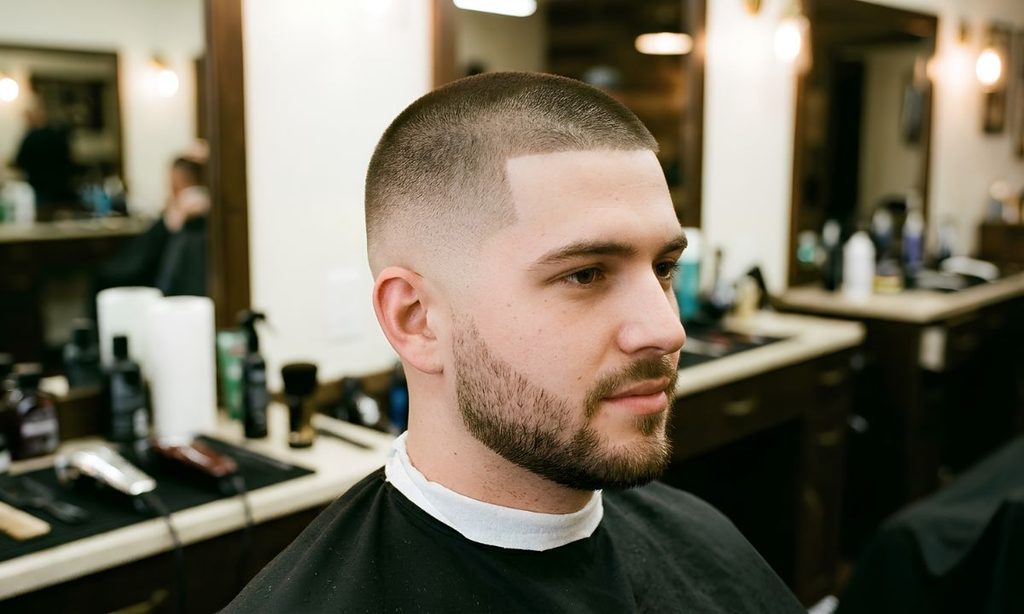
Expect to visit your barber often to keep it crisp. The reward is zero styling and a clean look every morning. If you sweat a lot or play sports, you’ll love how fast it dries.
14. Crew Cut With Mid Fade
A crew cut keeps the top a bit longer at the front and shorter toward the back. A mid fade adds structure and keeps everything neat. It’s a classic that never looks dated.
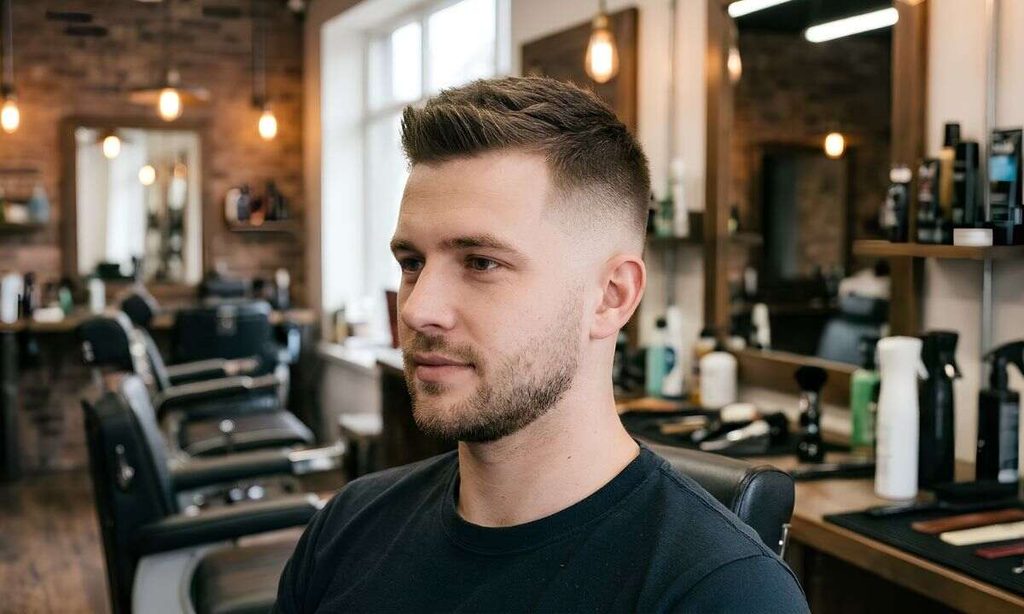
Guys who want something practical usually land here. It works for the gym, the office and everything in between. You can wear it with or without a product.
15. Quiff With Mid Fade
A quiff lifts the front hair up and slightly back. A mid fade trims the sides so the volume looks intentional rather than messy. The contrast gives the top a clean place to stand.
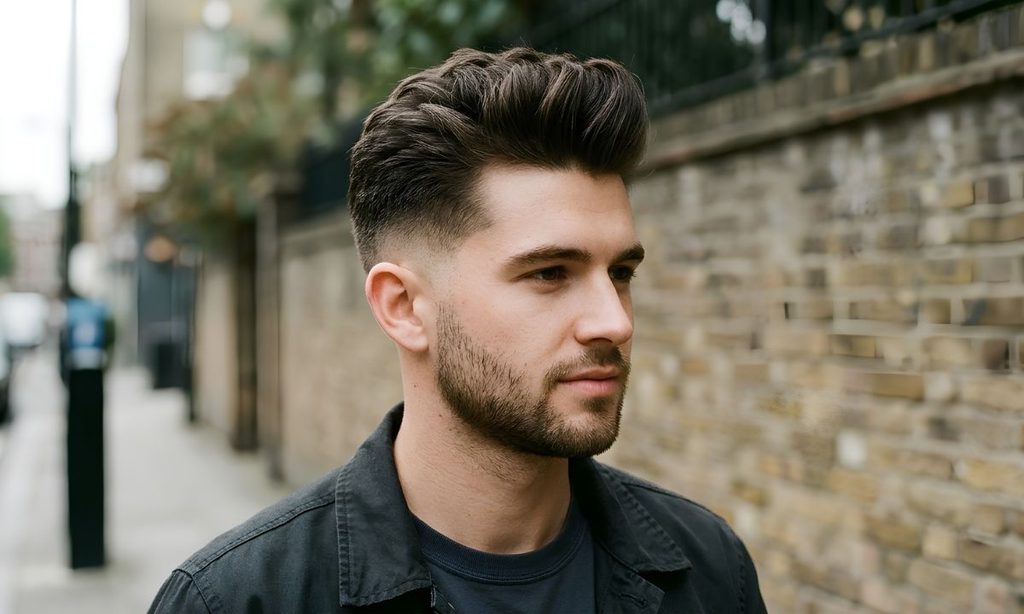
Blow dry the front upward and finish with light paste. The fade keeps all that height from looking top heavy. If you like a little drama without going full pompadour, this is a good pick.
Not sure This Style Fits?
Compare your preference first
Use the Fade Calculator to compare contrast, maintenance and hair-texture preferences.
Try the Fade Calculator
19 Popular Fade Haircut Combinations
The previous list covered the fades themselves. Now let’s look at how they pair with different tops, because that’s where the real style happens. These are some of the best fade haircuts for men right now, and each one comes with a quick note on who it fits.
Think of this section as a look book. Skim for a style that catches your eye, then read the details so you can ask for it clearly. Save a photo for each one you like.
16. Pompadour With Mid or High Fade
A pompadour is all about height and swept back volume. A mid fade keeps it smooth and wearable, while a high fade makes the contrast loud. Both versions look sharp, but they send different messages.
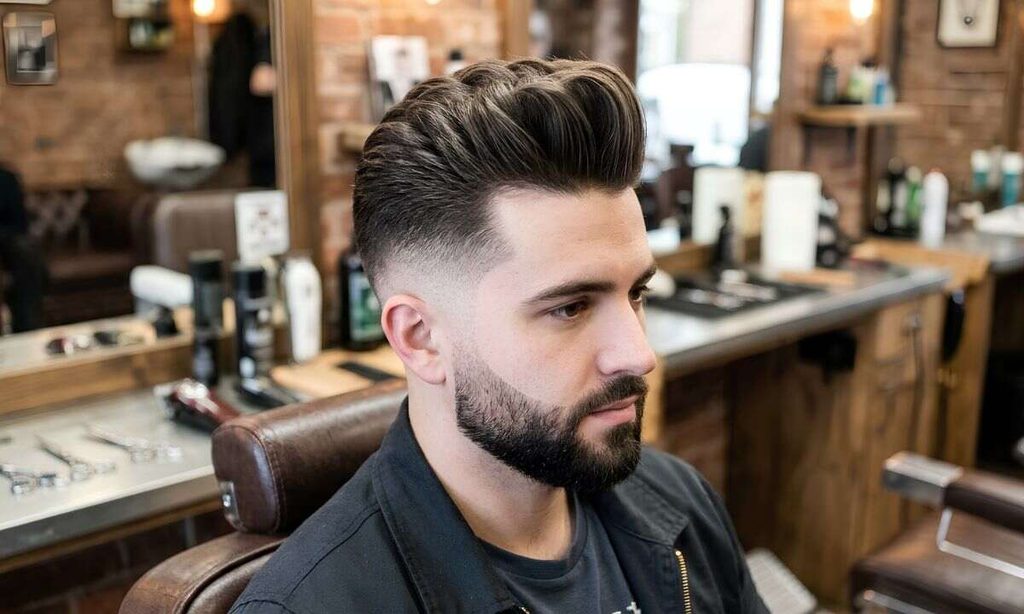
Choose mid if you want something you can wear to work. Choose high if you want people to notice. Either way, you’ll need a blow dryer and a strong hold product.
17. Slick Back With Mid Fade
A fade haircut with slick back hair looks polished and a little old school. The mid fade clears the sides so the top doesn’t look heavy. It’s a favorite for formal events and dinner dates.
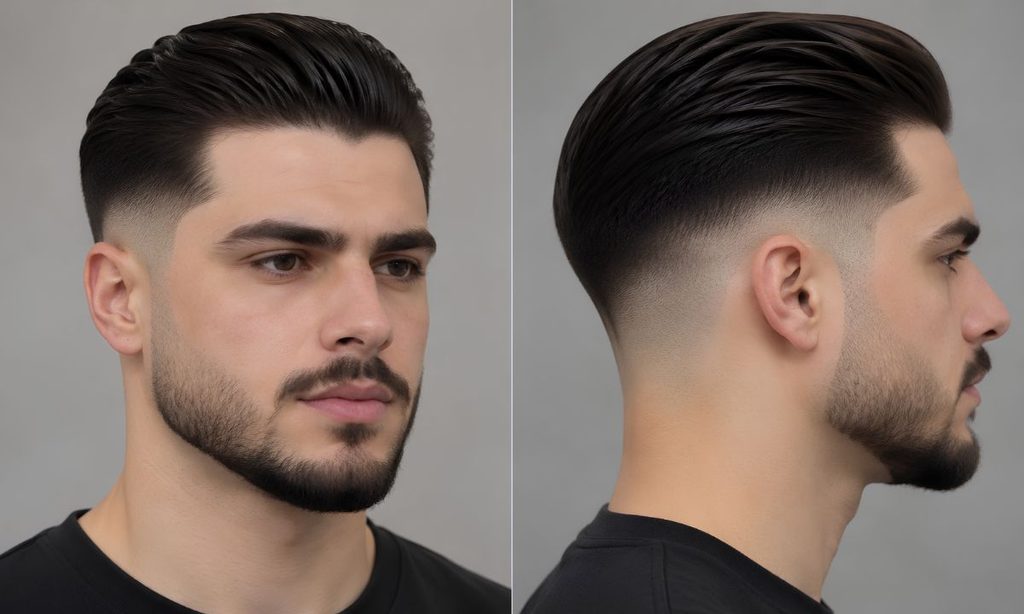
Use a water based pomade for shine without crunch. Comb it back while the hair is slightly damp. If your hair is thick, ask the barber to take a little weight out first.
18. Side Part With Low Fade
A fade haircut with a side part is the safe bet for interviews and weddings. The low fade keeps everything neat without screaming “fade.” It looks classic and still feels current.
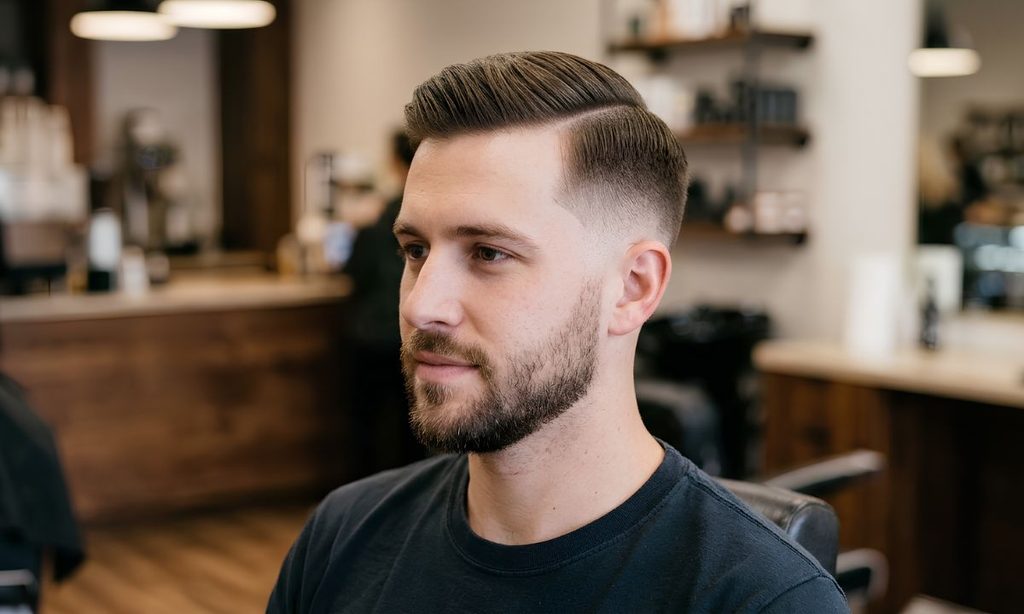
Ask for a defined part line if you like it sharp. Skip the line if you prefer a natural flow. A little pomade or cream will keep the part in place.
19. Comb Over With Low or Mid Fade
A comb over sweeps the top to one side. Go low for a soft finish, or go mid if you want the top to stand apart. Both versions look tidy and confident.
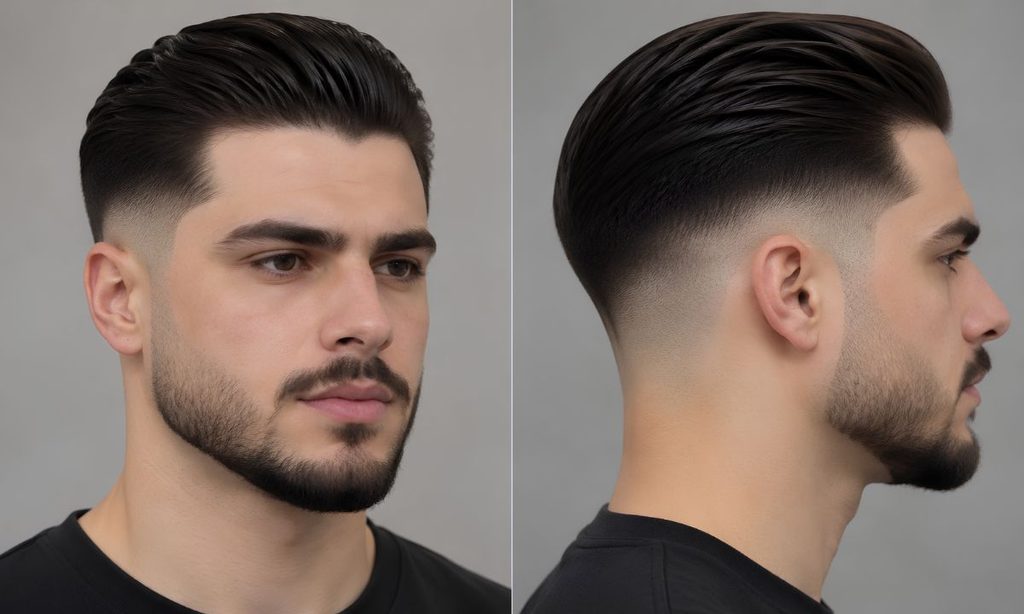
It works on thick and thin hair alike. The fade just changes how bold the contrast looks. A light hold spray keeps it neat through a long day.
20. Messy Fringe With Low Fade
A messy fringe falls forward in loose pieces over the forehead. Keeping the fade low lets that fringe be the star. The cut feels relaxed and a little rebellious.
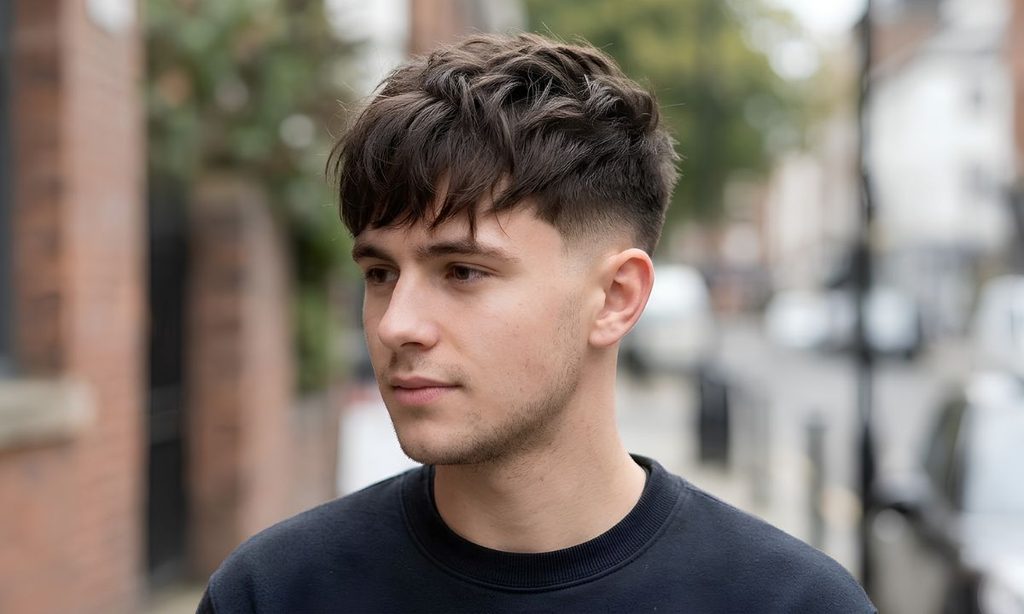
A bit of sea salt spray helps the pieces separate. Dry your hair with your fingers instead of a brush. It’s a good look for students and creative jobs.
Also read meaning on Hairdaydiary.com
21. Textured Fringe With Mid Fade
This is a fade haircut with fringe and a bit more edge. The mid fade gives the cut a clean base under that heavy front. The contrast makes the texture stand out.
Ask your barber to thin the fringe a bit so it doesn’t feel bulky. Matte clay keeps it from looking greasy. If you have a cowlick at the front, mention it before he starts.
22. Curly Top With Mid Fade
A fade haircut with curly hair keeps the curls on top and slims the sides. You get in shape without losing your curl pattern. It also stops the sides from puffing out too much.
Curls can swell fast, so a mid fade is a handy fix. A leave in cream keeps them soft and defined. Skip the brush and use your fingers or a wide tooth comb.
23. Coily Top With Drop Fade
Coily hair has a strong shape, and a drop fade frames it nicely. The curved line follows your natural head outline from the ear to the nape. It looks clean without feeling stiff.
Ask your barber for a clean back view too. The drop should look smooth from every angle. A moisturizer or light oil keeps the top healthy and defined.
24. Afro With Fade
Afros pair with low, mid or even high fades. The right height depends on how much width you want to keep. It’s a style that changes a lot with small adjustments.
A taller fade gives a sharp, defined shape. A lower one keeps the look fuller and softer. Talk through the outline with your barber before the first cut.
25. Burst Fade Mullet
This is the modern mullet. The burst fade cleans up around the ears and leaves length at the back. It’s bold, but it’s less wild than the old school version.
Ask for a soft back so it blends in instead of looking stuck on. Wavy and curly hair make this cut look especially natural. Expect a few comments, mostly good ones.
26. Faux Hawk With Burst Fade
A faux hawk pushes the hair up in the center without shaving big stripes. The burst fade keeps the sides short and the nape fuller. You get the edge without the full commitment.
Use strong paste and shape it with your fingers. It’s a good party haircut that still looks fine on Monday. If you work somewhere strict, you can flatten it down easily.
27. Mohawk With Burst or High Fade
A mohawk needs clear separation between the middle strip and the sides. Go burst if you want more length at the back, or go high for a cleaner line. Each version changes the overall mood.
Don’t be shy about showing a reference photo. This one lives or dies on the details. Agree on the width of the strip before any clippers touch your head.
28. Edgar With Low or Mid Fade
Edgar has a blunt, straight front line across the forehead. Fade height changes how much contrast you see underneath. It works best on thick, straight or wavy hair.
Low looks softer and mid looks sharper. Always ask the barber to confirm the fringe length before cutting. A small mistake at the front is very visible.
29. Hard Part With Mid Fade
A hard part is a shaved line that marks where the part sits. A mid fade keeps the sides tidy so the line stays the focus. It’s a sharp, structured look.
Pick a side and stick with it. Switching later means growing the line out. Expect to refresh the line every couple of weeks.
30. Waves With Temple or Low Fade
If you brush for waves, protect them. A temple fade or low fade tidies the edges without disturbing your pattern. It keeps the look neat while the waves do their thing.
Ask the barber not to cut too high. Wave patterns need hair, and they don’t grow back overnight. A silk durag at night helps keep everything in place.
31. Braids With Fade
A fade haircut with long hair on top, like braids, works well with low, mid or skin finishes. You get clean sides and plenty of top style. The contrast makes the braids look more defined.
Settle the braid pattern before the fade begins. That way the barber can cut around it properly. Keep your scalp moisturized to avoid dryness.
32. Long Top With Drop Fade
If you keep length on top, a drop fade frames it neatly. The dip behind the ear adds shape at the back. It makes longer hair feel modern instead of messy.
A bit of cream or oil keeps it from frizzing. Tie it up when you want a quick change. Ask for regular trims so the ends stay healthy.
33. Undercut Fade
An undercut makes a sharp break between the top and sides. Adding a fade softens that break a little. You still get the disconnected look, just with smoother edges.
It’s good for guys who want a strong silhouette. Just expect to style the top every day. A good paste or pomade does most of the work.
34. Fade With Beard Blend
A fade haircut with a beard looks best when the sideburns flow into the facial hair. You can go seamless or keep a clear gap. Both options look good when done well.
Decide before you sit down. Both versions need regular trims to look fresh. Ask your barber to shape the beard and fade in the same visit.
Which Fade Works With Your Hair Texture?
Hair texture changes how a fade looks and how long it lasts. What works on straight hair may not behave the same on coils. Hair density matters too, so two guys with the same texture can still need different cuts.
Use this part as your guide. Then compare it with the fade haircut with textured top ideas above. Pick a style that works with your natural hair instead of fighting it.
Straight Hair
A fade haircut with straight hair shows every line, so clean blending matters. Low and mid fades pair well with crops, quiffs and side parts. Any uneven spots stand out, so choose a barber who takes his time.

If your hair is fine, use a light texture spray for your body. Straight hair can look flat without a little help. A matte product also helps hide scalp shine.
Wavy Hair
Wavy hair already has natural movement. A low or mid fade clears the sides and lets the top flow. The result looks effortless and a little casual.

A fade haircut with wavy hair looks best when the barber leaves enough length. Ask for a bit more on top so the waves can bend. A light cream or sea salt spray boosts the pattern.
Curly Hair
Curls can swell at the sides as they grow. A mid fade or drop fade keeps the shape under control. It also gives your curls room to show off on top.
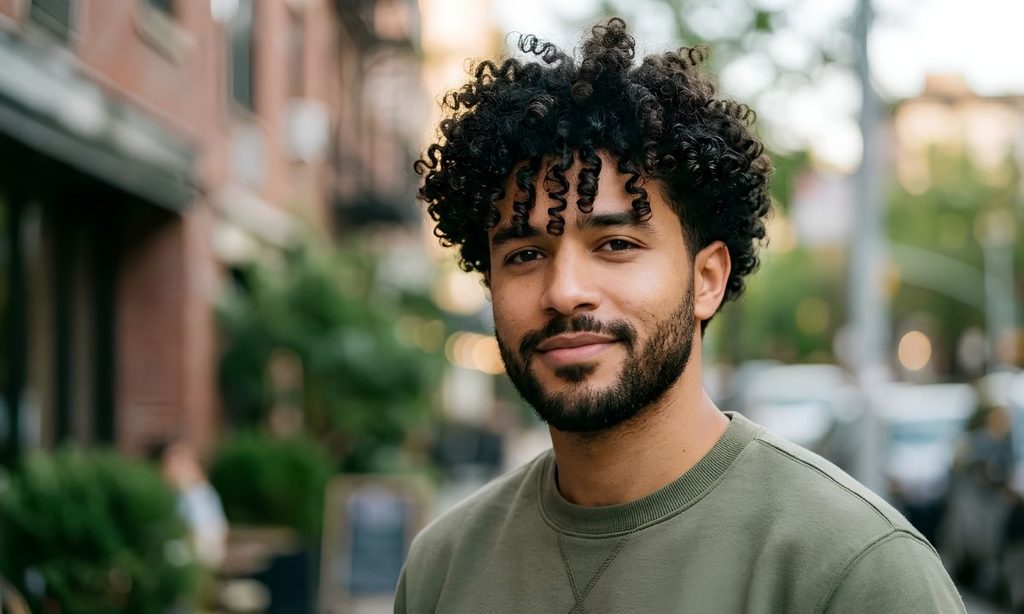
Moisture matters here. A little curl cream keeps frizz away and keeps the pattern clean. Try not to brush dry curls, since that breaks the pattern apart.
Coily Hair
Coily hair has a strong body and density. Fade placement is easy to see, so decide your goal first. Small changes in height make a big difference.
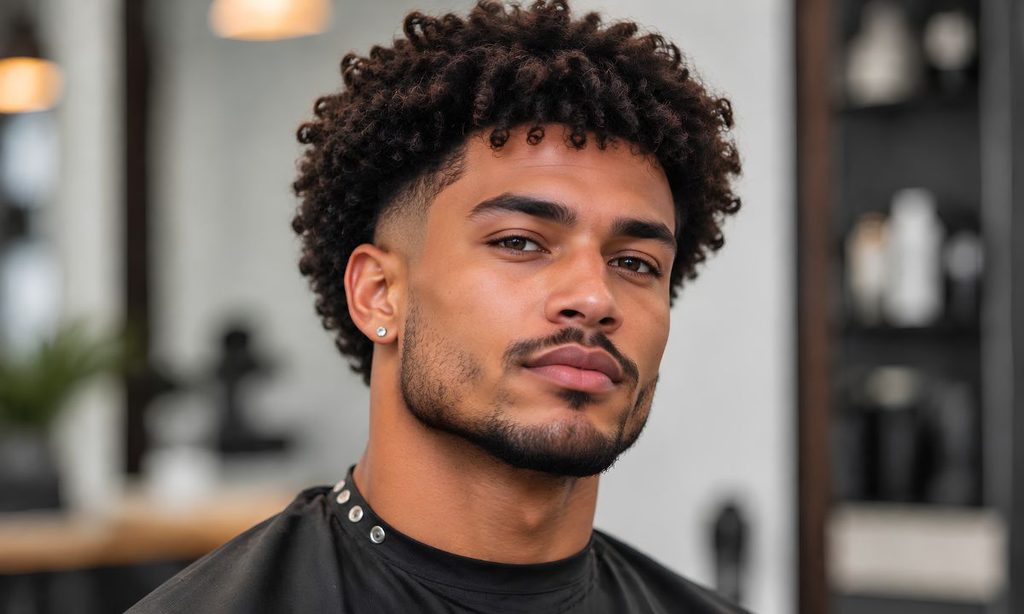
Do you want width, height, or clearance around the ear? Answer that, and your barber can pick the right height. Keep your scalp hydrated so the cut looks clean and healthy.
Does Face Shape Decide Which Fade You Should Get?
Face shape can help, but it doesn’t decide everything. Head shape, hair density, beard and top length matter just as much. Treat any face shape advice as a starting point.
Still, a few simple shortcuts help. These are ideas to test, not rules you must follow.
- Fade haircut for round face: Keep some height on top and go mid or high on the sides to add length.
- Fade haircut for oval face: Most fades work, so choose based on your lifestyle.
- Fade haircut for square face: A low or mid fade softens strong angles, while a high fade sharpens them.
Want the best fade haircut for face shape? Collect a few reference photos with a similar hair type and top length. Then show them to your barber for a real opinion. A good barber can see things that a face shape chart can’t.
Fade vs Taper: What’s the Difference?
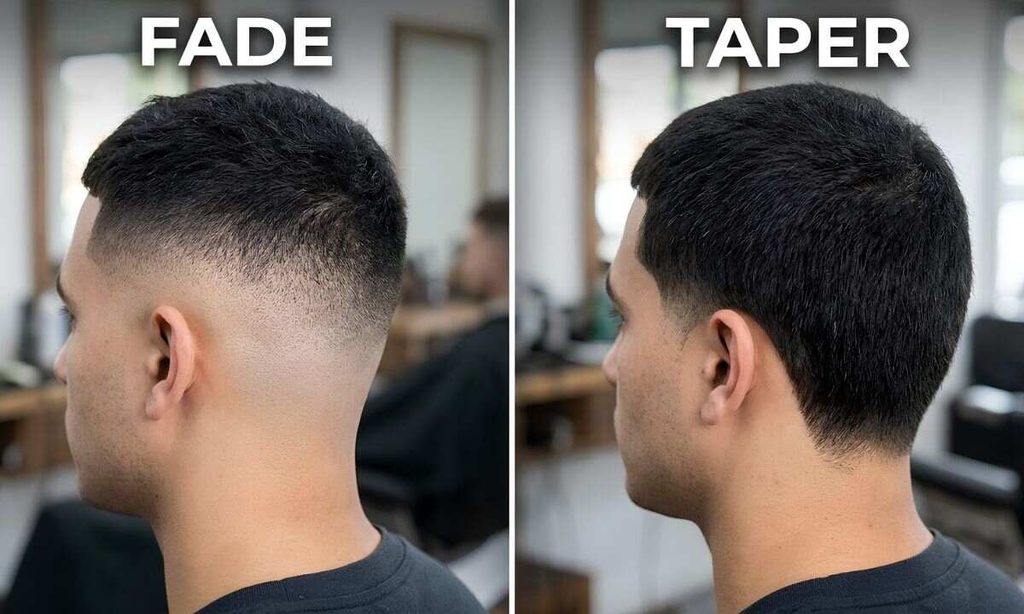
A fade changes a bigger part of the sides and back. A taper only shortens the edges and neckline. That’s the simplest way to remember it.
Say you want a clean look but hate losing side hair. A taper keeps most of your hair and still looks neat. A fade gives more contrast, but it removes more weight.
When people compare taper fade vs skin fade, they’re really comparing coverage and upkeep. A taper stays subtle, and a skin fade shows bare skin and a bold edge. Terms change from shop to shop, so always describe where the short hair should start and how much hair you want left.
Which Fade Is Easiest to Maintain?
A low taper or low shadow fade is usually the easiest. Most of your hair stays in place, and regrowth looks gentle. You can stretch a visit longer without looking messy.
Skin fades look great fresh, but regrowth shows up quickly. Hair grows about half an inch a month, so you’ll notice changes within a couple of weeks. That’s why high and skin fades ask for more barber visits.
Here’s a rough guide for how often to get a fade haircut.
| Style | Typical touch up |
|---|---|
| Skin or high fade | Every 2 to 3 weeks |
| Mid fade | Every 3 to 4 weeks |
| Low fade or shadow fade | Every 3 to 5 weeks |
| Taper | Every 4 to 6 weeks |
These numbers aren’t strict. Go back when the cut stops looking the way you like. Your hair growth speed and your own taste matter more than any chart.
What to Tell Your Barber
“Just give me a fade” is how people end up with the wrong haircut. A clear request gets you the result you want. It also makes your barber’s job easier.
Tell your barber four things. Where the fade starts, how short it goes, what path it follows and how much hair stays on top. This is the best answer to what to ask your barber for a fade, and it works in any shop.
Bring a photo, ideally one from the side and one from the back. Pictures remove a lot of guesswork. If your barber asks questions, that’s a good sign, not a bad one.
Example Low Fade Request
“I’d like a low fade that stays close to my ears. Leave a little shadow at the bottom, and keep the weight above it so it blends into my top.”
Example Mid Skin Fade Request
“I want a mid fade taken down to the skin. Keep the top long enough for a textured crop, and please don’t push the fade too high.”
Example Burst Fade Request
“I’d like the blend to curve around my ear, not go straight around. Keep more length at the back, and show me the width before you start.”
Example Taper Request
“Keep my sides full and only shorten the temples, sideburns and neckline. I don’t want a full fade.”
Common Fade Haircut Mistakes
Most faded regrets come from small slips. They’re easy to avoid once you know them. Let’s fix them before they happen.
Asking Only for “a Fade”
“A fade” doesn’t say how high, how short or what shape. Barbers have to guess, and guesses go wrong. Two fades can look completely different even if they use the same basic technique.
Give at least two details. Height and finish are the easy ones. Add a photo and you’re almost guaranteed a good result.
Assuming Every Fade Means Skin
A fade can keep stubble, stop near zero or go fully bald. Many people assume skin is the default, and it isn’t. A bald fade haircut is just a skin fade by another name.
Ignoring the Back View
Many people only show the front and side photo. Then the back comes out different from what they pictured. The rear shape matters a lot on drop and burst fades.
Using a Reference With Completely Different Hair Behavior
A photo of straight hair won’t help if you have tight curls. The same cut behaves differently on different textures. Density and top length change the outcome too.
Choosing a Trend That Does Not Fit Your Routine
A high skin fade looks amazing for two weeks. If you hate frequent visits, it will annoy you by week three. Trends are fun, but your schedule still matters.
Clipper Guard Sizes and Different Fade Haircut Lengths
Barbers talk in guard numbers, so it helps to know them. A #1 guard leaves about 3 mm, a #2 about 6 mm, and a #3 about 10 mm. Knowing these makes it easier to explain how short you want the sides.
Fade haircut blending techniques use several of these in steps. The barber starts with the shortest setting at the bottom and moves up, softening each line as he goes. Good blending is why a fade looks smooth instead of striped.
Some barbers use clippers, others use a trimmer or razor for the bottom. You don’t need to learn every tool, but it helps to ask which finish he’ll use. That tells you how close the cut will go.
Fade Haircut With Short Hair vs Long Hair
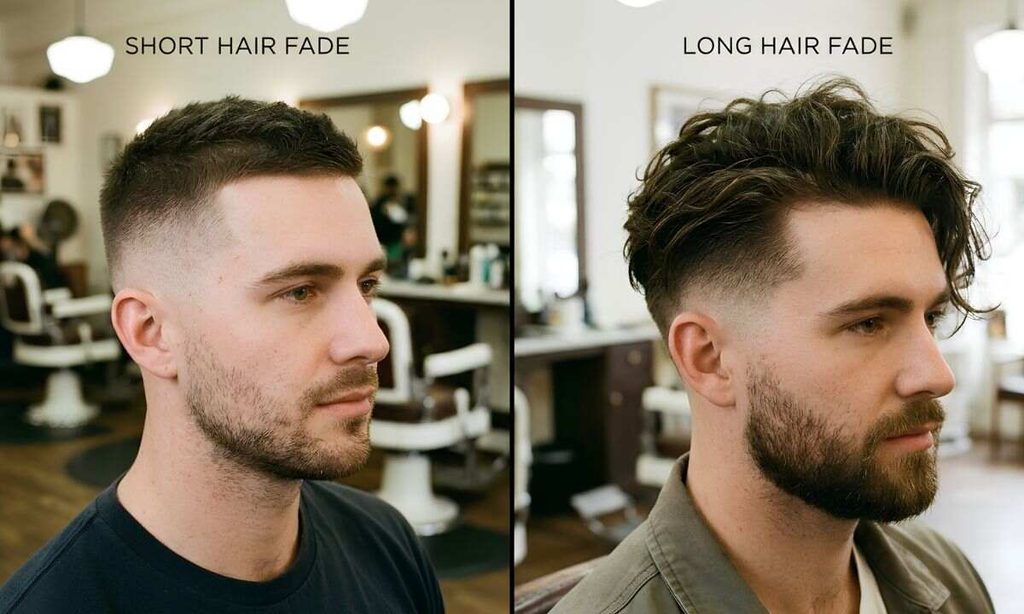
A fade haircut with short hair, like a crop or buzz, needs very little styling. The fade does most of the work, and the top stays simple. It’s a great pick for busy mornings.
A fade with longer hair needs more care. You’ll want a product, a brush and a clear plan for how it falls. Without a plan, longer tops can look unfinished.
If you want to grow your top out, tell your barber. He can keep the fade neat while the length catches up. That way you avoid the awkwardness in between phases.
How to Choose a Fade Haircut
Choosing a fade doesn’t need to be stressful. Walk through these steps and you’ll land on a good one.
- Start with your hair type. Straight, wavy, curly and coily hair react differently.
- Pick your contrast. Low for soft, mid for balanced, high for bold.
- Decide how short. Shadow, zero or skin.
- Check your routine. Be honest about styling time and barber visits.
- Show photos. Include a back view when possible.
You can also use a fade calculator or a quick quiz to compare options. Then book a quick chat with your barber before the cut. A five minute talk beats a month of regret.
Fade Haircut Maintenance Tips
A fresh fade needs a little care. Wash your hair regularly and moisturize your scalp so it doesn’t flake. A healthy scalp also makes the fade look cleaner.
Skin fades can cause razor bumps, especially on curly hair. If you get them, use a gentle aftershave or cooling gel and avoid scratching. If the irritation doesn’t go away, talk to a doctor or dermatologist.
Use a soft brush on waves and a light product on tops. Book your next trim before you leave the shop, so you never get stuck with a grown out cut. Small habits like these keep your fade looking fresh.
Frequently Asked Questions
Which fade is best for beginners?
A low fade or a taper is the easiest first step. Both keep most of your side hair. You can always go shorter next time.
What’s the difference between low fade vs mid fade?
A low fade sits near the ears and looks softer. A mid fade starts higher and shows more contrast. Choose low for safe, mid for balanced.
Can you get a fade with long hair?
Yes, many people do. Drop fades and burst fades work well with long tops and mullets. Just plan on a bit more styling.
Is a bald fade the same as a skin fade?
Yes, they mean the same thing. Both end at bare skin. The height still changes how the cut looks.
Do fades work for thin hair?
They can. Keep the fade low and soft so the top still looks full. A high fade can make thinning areas more obvious.
Conclusion
A fade comes down to four choices: height, shortest finish, path and the top. Once you know those, picking a cut gets simple. You’ll also sound like you know what you’re talking about in the chair.
Start with the fade that fits your hair and routine. Bring photos, use clear words and don’t be afraid to ask questions. A good barber wants you to leave happy.
